Stable raw material source
Consistent coconut meal supply from Vietnam.

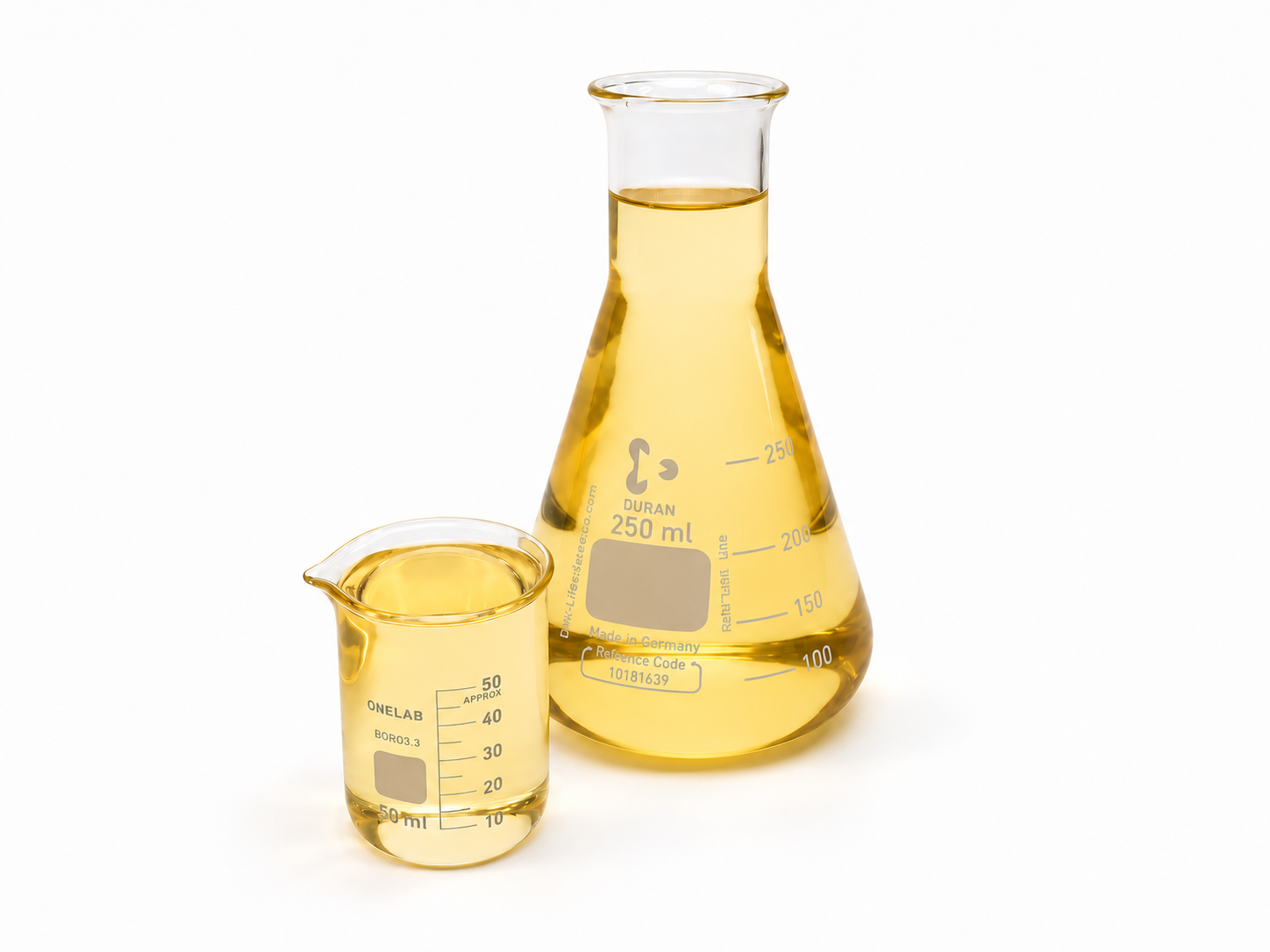
Used in food processing, cosmetics, hair care, and soap production
Consistent coconut meal supply from Vietnam.
Natural fiber and nutrients for animal growth.
Practical packing and source-direct supply.
Planned supply for international markets.
Refined Coconut Oil RBD, originating from Vietnam, is used in food processing, cosmetics, hair care products, and soap production. With multiple packaging options and a supply capacity of 30 containers per month, the product serves the raw material needs of manufacturers and importers.
Refined Coconut Oil (RBD) is a type of coconut oil product produced from Crude Coconut Oil (CNO) through refining, bleaching, and deodorization processes to achieve a uniform appearance, mild flavor, and nearly neutral odor. With its characteristic physical and chemical properties, RBD Coconut Oil is widely used as a raw material in various industries, including food processing, cosmetics, personal care products, soap and detergent manufacturing, and oleochemical production.
Refined coconut oil has several physical and chemical characteristics that influence its performance in industrial formulations. Understanding these properties helps manufacturers select the appropriate grade for their production processes.
Technical specifications play an important role in determining whether RBD coconut oil meets the requirements of a particular production process.
International buyers generally evaluate refined coconut oil based on its chemical quality, moisture content, physical appearance, and resistance to oxidation. The following parameters are commonly considered when assessing refined coconut oil for industrial use.
| Technical Parameter | Unit | Significance |
| Free Fatty Acids (FFA) | % | Indicates the amount of free fatty acids present in the oil |
| Acid Value | mg KOH/g | Measures the acidity of the oil |
| Peroxide Value | meq O₂/kg | Indicates the level of primary oxidation products |
| Moisture and Volatile Matter | % | Evaluates moisture and volatile components that may affect storage and processing |
| Insoluble Impurities | % | Measures solid impurities remaining in the oil |
| Iodine Value | g I₂/100 g | Indicates the degree of unsaturation |
| Saponification Value | mg KOH/g | Relates to the average molecular weight of fatty acids in the oil |
| Color | Applicable test method | Assesses the appearance of the refined oil |
| Melting Behavior | °C / temperature profile | Helps determine storage and handling requirements |
The acceptable values depend on the specific product grade, intended industrial application, and purchasing requirements.
For example, food manufacturers may place greater emphasis on peroxide value, sensory characteristics, and food-grade compliance, while oleochemical manufacturers may prioritize fatty acid composition, acidity, and processing compatibility.
Buyers should compare the agreed Product Specification with the Certificate of Analysis (COA) for the relevant production lot when available. This helps verify whether the supplied oil meets the technical requirements of their manufacturing operations.
Refined coconut oil is used as a raw material in various manufacturing industries because of its fatty acid composition, physical properties, and relatively neutral sensory characteristics.
Its suitability depends on the grade supplied, the formulation requirements, and the technical standards applicable to the finished product.
Food manufacturers use suitable food-grade refined coconut oil as a vegetable fat ingredient in a wide range of processed products. Its mild flavor and characteristic melting behavior make it useful where the fat component must support product texture without introducing a strong coconut aroma.
In the cosmetics and personal care industry, refined coconut oil is used as an ingredient in formulations intended to improve product texture and skin or hair conditioning.
Its relatively mild odor allows formulators to incorporate it into finished products without creating a strong coconut scent.
Coconut oil is an established raw material for soap manufacturing because its triglycerides can be converted into soap through saponification.
The fatty acid composition of refined coconut oil, particularly its lauric and myristic acid content, contributes to the properties of the resulting soap.
Manufacturers use coconut-derived oils in products such as:
Depending on the formulation, coconut oil-based soaps can provide effective cleansing and characteristic foaming properties.
The final performance depends on the blend of oils, alkali concentration, manufacturing method, and other formulation ingredients.
The oleochemical industry uses vegetable oils and fats as renewable feedstocks for producing fatty acids and related chemical derivatives.
Refined coconut oil can be processed through suitable chemical operations to obtain materials used in the manufacture of surfactants, fatty alcohols, and other industrial ingredients.
Consistent raw material quality is essential for manufacturers that depend on refined coconut oil in commercial production.
Technical specifications, batch identification, and supporting documentation allow buyers to evaluate material suitability before accepting a shipment. Common documents and quality information requested during international sourcing include:
Depending on the intended market and application, buyers may also require evidence of food-grade compliance or specific certifications such as Halal, Kosher, or organic certification.
These requirements should be reviewed with Bao Son before purchase, and the availability and scope of any supporting documents should be confirmed for the specific product and shipment.
Bao Son welcomes inquiries from international importers, distributors, and manufacturers seeking Refined Coconut Oil (RBD) from Vietnam.
 Food
 Cosmetics
 Hair care line
 Soap bar
PRODUCT VIDEOS
PACKAGING & SHIPPING
Contact our sales team for high-quality agricultural products, competitive prices, and reliable service.